
What are the most effective strategies for optimizing Google Ads campaigns?
What are the most effective strategies for optimizing Google Ads campaigns? As Google Ads competition ...


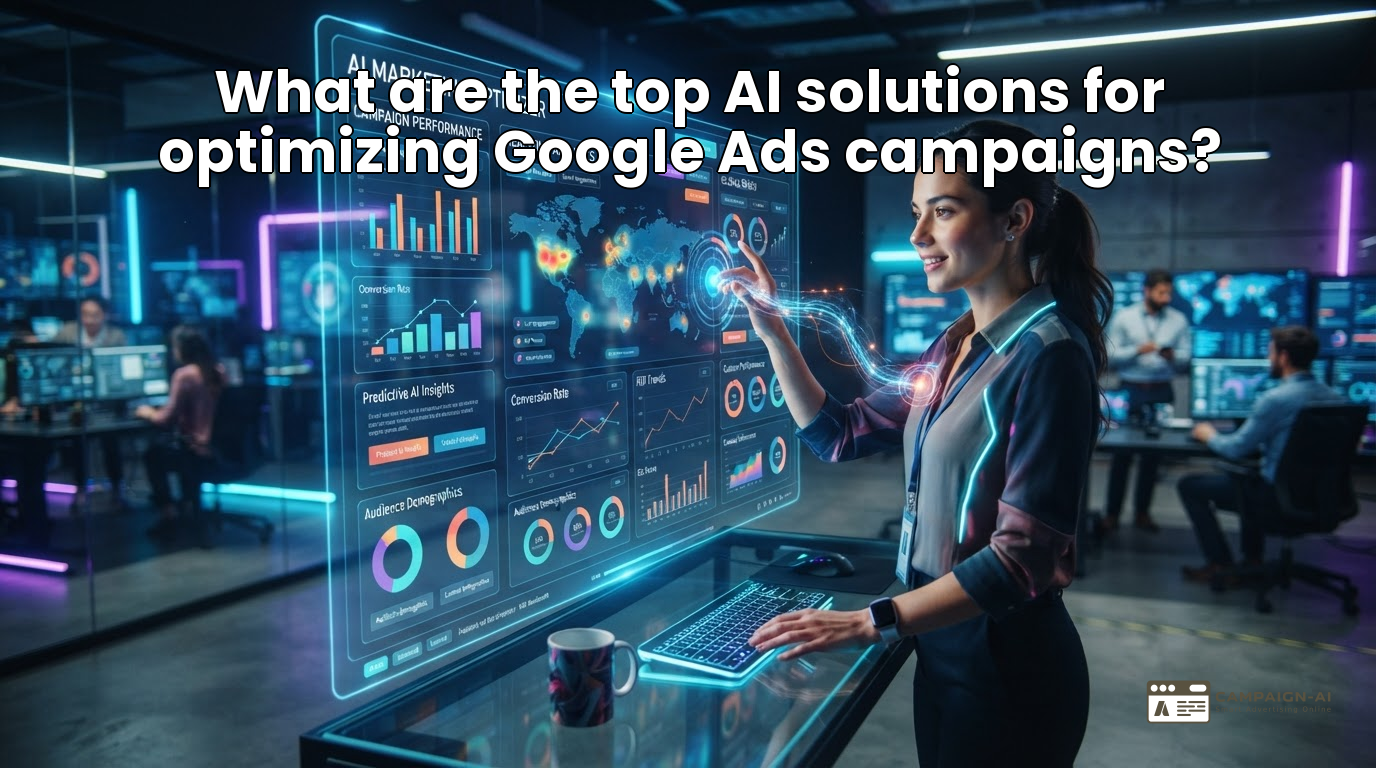
In the dynamic world of digital marketing, AI technologies have become indispensable for maximizing the efficiency of Google Ads campaigns. With advancements in machine learning and data analytics, AI offers tools that can significantly enhance your advertising strategies. These technologies not only streamline the ad creation process but also ensure that your ads reach the right audience at the right time.
The integration of AI into Google Ads allows marketers to harness the power of data-driven insights. By analyzing user behavior, AI can predict future trends and optimize ad placements accordingly. This results in more effective campaigns, higher conversion rates, and ultimately, a better return on investment. As AI continues to evolve, its role in shaping the future of digital advertising is becoming increasingly important.
Utilizing AI in ad campaigns brings a plethora of benefits that can transform the way businesses approach online advertising. One of the primary advantages is the ability to analyze vast amounts of data quickly. This enables marketers to gain valuable insights into customer preferences and behaviors, allowing for more targeted and personalized ad experiences.
Moreover, AI can enhance the efficiency of your ad spend. By continuously learning and adapting, AI systems can identify which ads perform best and allocate budgets accordingly. This not only maximizes the effectiveness of your campaigns but also minimizes wasteful spending. The benefits of AI extend beyond just financial savings; they also include improved customer engagement and satisfaction.
Ad automation tools are at the forefront of AI-driven marketing strategies, offering businesses unprecedented capabilities to streamline their advertising efforts. These tools utilize machine learning algorithms to automate various aspects of ad management, from bidding to keyword optimization. This not only saves time but also enhances the precision of your campaigns.
With the help of automation tools, businesses can focus more on strategic planning while letting the AI handle the operational tasks. These tools can adjust ad bids in real-time, ensuring optimal placement and maximum exposure. Additionally, they can provide detailed analytics that help refine future campaigns, making them more effective and efficient.
In the rapidly evolving world of digital marketing, machine learning plays a pivotal role in optimizing Google Ads campaigns. By analyzing vast amounts of data, machine learning algorithms can identify patterns and trends that are not easily discernible by human marketers. This enables businesses to make data-driven decisions that enhance the performance of their ad campaigns.
One of the primary benefits of leveraging machine learning in ads is its ability to provide real-time insights. This technology can quickly adapt to changes in user behavior and market conditions, ensuring that your advertisements remain relevant and effective. As a result, companies can maximize their return on investment by targeting the right audience with the right message at the right time.
AI-powered bid management is revolutionizing the way businesses approach their Google Ads strategies. By utilizing sophisticated algorithms, AI systems can automatically adjust bids to ensure optimal placement and cost-effectiveness. This means that companies can achieve better results with less manual effort, freeing up valuable time and resources.
These AI systems continuously monitor and analyze campaign performance, making necessary bid adjustments in real time. This constant vigilance helps to prevent overspending and ensures that your budget is allocated to the most promising opportunities. With AI-powered bid management, businesses can enjoy a competitive edge in the digital marketplace.
Predictive analytics tools are transforming the landscape of Google Ads by providing marketers with the ability to foresee future trends and outcomes. These advanced tools use historical data and machine learning models to predict consumer behavior, enabling businesses to tailor their strategies accordingly. By anticipating what users are likely to do next, companies can create more effective and personalized ad campaigns.
With predictive analytics, marketers can identify which keywords are likely to perform well and adjust their strategies to capitalize on these insights. This proactive approach not only enhances the effectiveness of campaigns but also ensures that marketing efforts are aligned with the evolving preferences of the target audience. Leveraging predictive analytics can lead to increased conversion rates and a stronger online presence.
In the digital marketing arena, leveraging AI for audience targeting can dramatically enhance the efficiency and effectiveness of Google Ads campaigns. AI-driven tools analyze vast amounts of data to identify patterns and trends that human analysis might miss. This ability enables marketers to pinpoint specific audience segments with higher precision. By utilizing AI, advertisers can create more targeted ads, leading to higher click-through rates and improved conversion rates.
Furthermore, AI tools can continuously optimize campaigns in real-time. They automatically adjust audience targeting based on changing user behaviors and preferences. This dynamic adjustment ensures that ads remain relevant and engaging to the audience, enhancing the overall performance of marketing efforts. The use of AI in audience targeting not only saves time but also increases return on investment, making it an indispensable tool for modern marketers.
Natural Language Processing (NLP) is revolutionizing the way Google Ads are created and optimized. By understanding and interpreting human language, NLP enables the creation of ads that resonate more deeply with target audiences. This technology can analyze search queries to determine user intent, allowing advertisers to craft messages that are more aligned with what users are seeking. As a result, ads become more relevant and engaging, which can lead to higher conversion rates.
Moreover, NLP can enhance ad copy by suggesting keyword variations and phrases that are likely to perform well. This reduces the need for manual keyword research and allows for more creative and effective ad writing. Additionally, NLP can be used to analyze user feedback and reviews, providing insights into customer sentiment and preferences. Overall, the application of NLP in advertising represents a significant advancement in creating personalized and effective ad campaigns.
Numerous case studies highlight the transformative impact of AI on Google Ads campaigns. Companies across various industries have successfully leveraged AI to optimize their advertising strategies, achieving remarkable results. For instance, a leading e-commerce brand utilized AI algorithms to analyze customer data, enabling them to tailor their ads precisely to the preferences of their target audience. This approach resulted in a significant increase in conversion rates and overall ad performance.
Another example involves a travel agency that used AI to predict travel trends and seasonal demand shifts. By adjusting their ad targeting and budget allocation in real-time, they were able to maximize their ad spend efficiency and boost bookings during peak seasons. These case studies underscore the potential of AI to not only enhance marketing outcomes but also to provide a competitive edge in a crowded marketplace. By learning from these successes, other businesses can adopt similar strategies to drive their own growth.
The future of AI in advertising is incredibly promising, with innovations that are set to revolutionize how businesses connect with their audiences. AI technology allows for more precise targeting and personalization, helping brands deliver relevant content at the right time to potential customers. As AI continues to evolve, it will enable marketers to harness vast amounts of data for crafting more impactful advertising strategies. This results in higher engagement rates and improved return on investment for advertising campaigns.
One major advancement in AI for advertising is the use of machine learning algorithms to predict consumer behavior. These algorithms analyze past interactions and preferences to anticipate future actions, enabling advertisers to tailor their messages accordingly. Furthermore, AI tools are becoming adept at automating campaign management tasks such as bid adjustments, keyword optimization, and budget allocation. This automation not only saves time but also enhances the efficiency and effectiveness of advertising efforts.
In conclusion, AI is set to play a pivotal role in the future of advertising, offering tools and capabilities that were previously unimaginable. As more businesses integrate AI into their advertising strategies, the landscape will continue to transform, making it more dynamic and competitive than ever before.
What are the most effective strategies for optimizing Google Ads campaigns? As Google Ads competition ...
What Are the Most Popular Tools for Securing Ad Campaigns from Fraud? Ad fraud has ...
Introduction to AI in Google Ads As the digital landscape continues to evolve, businesses are ...
Why Every Marketer Needs AI to Stay Ahead in 2025 In 2025, the digital marketing ...
Increase Sales Without Hiring a Marketing Team – AI-Driven Google Ads Optimization for Business Owners ...
What Are the Most Effective Tools for Managing Google Ads Campaigns? Running successful Google Ads ...
Why Every Marketer Should Embrace AI for Greater Efficiency In today’s fast-paced digital landscape, marketers ...
How do AI tools enhance Google Ads management for businesses? Businesses are now expected to ...
Introduction to Google Ads Management In the fast-paced world of digital marketing, Google Ads stands ...
Which Tools Are Most Effective for Optimizing Google Ads Campaigns? Running profitable Google Ads campaigns ...
Campaign AI’s Cutting-Edge Features for Smarter Advertising in 2025 As digital marketing evolves, advertisers must ...
Introduction to AI in Google Ads In today’s fast-paced digital landscape, integrating AI-driven tools in ...