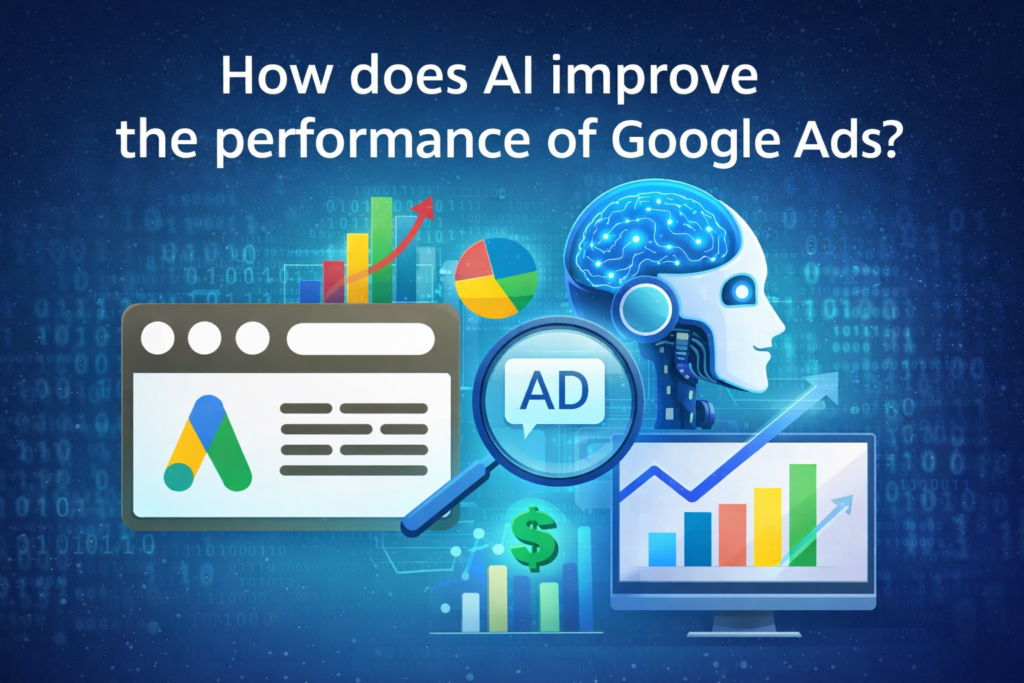
How does AI improve the performance of Google Ads?
How does AI improve the performance of Google Ads? Artificial intelligence is no longer a ...


Understanding the Cost Per Lead (CPL) in Google Ads is essential for businesses aiming to optimize their advertising budgets. CPL is a metric that helps advertisers determine the amount spent to acquire a lead. It is calculated by dividing the total cost of the advertising campaign by the number of leads generated. Lowering CPL means more efficient use of advertising dollars, leading to higher returns on investment.
For small and medium-sized businesses, managing CPL effectively can be the difference between a profitable campaign and wasted expenditure. Factors such as ad relevance, keyword selection, and audience targeting all play crucial roles in determining CPL. By focusing on these elements, businesses can ensure that their ads are reaching the right audience at the right time, thus maximizing the potential for conversions.
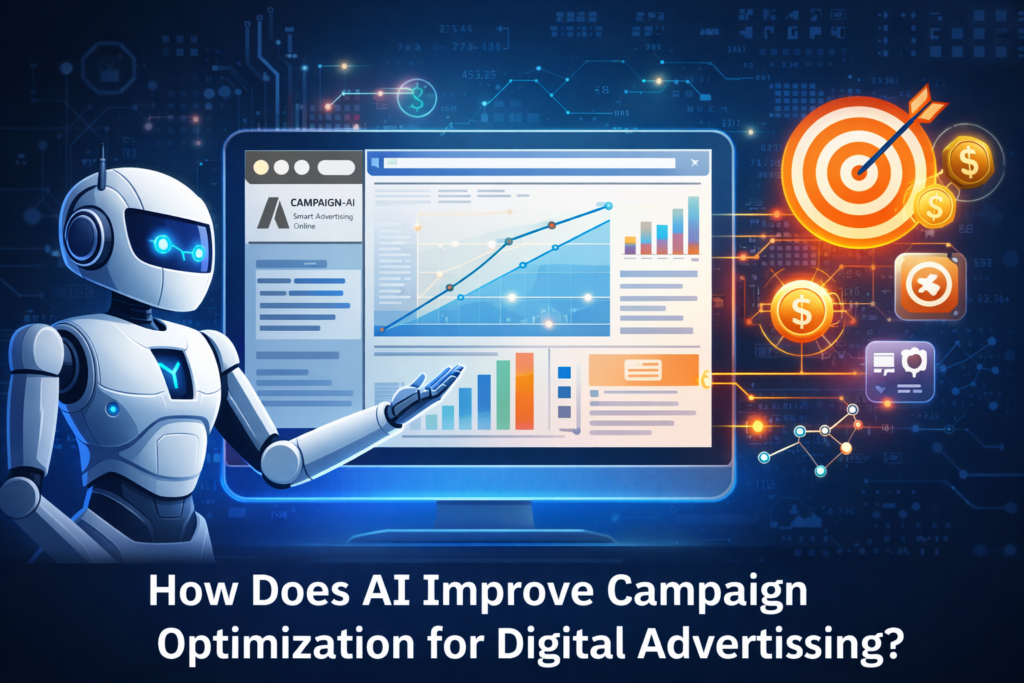
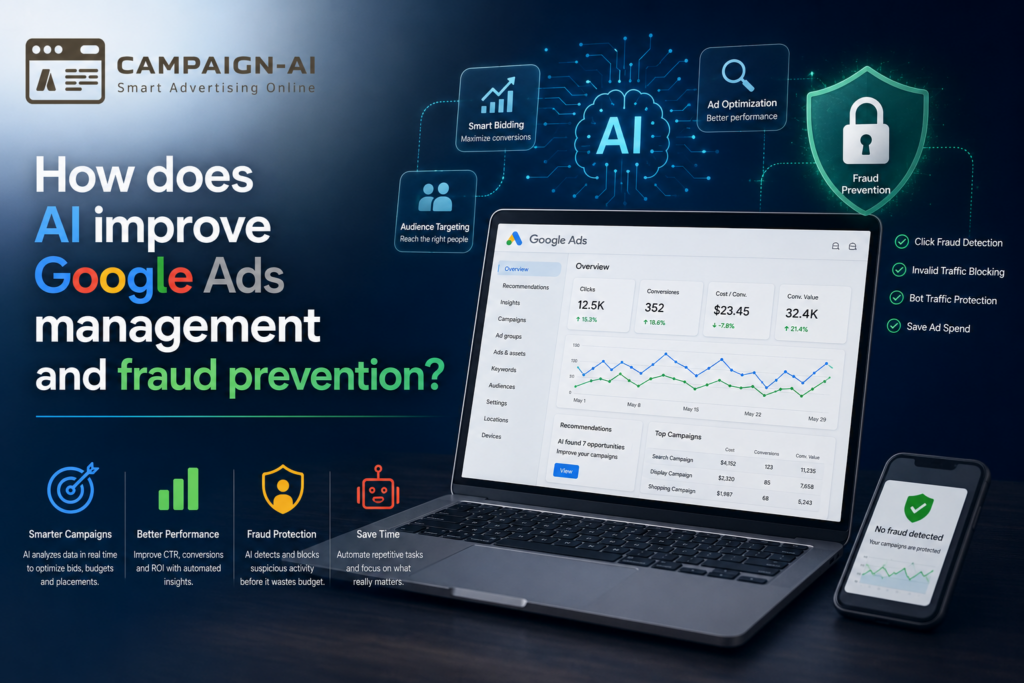
Artificial Intelligence (AI) plays a pivotal role in optimizing Google Ads by automating complex tasks that would otherwise require significant manual effort. AI algorithms can analyze vast amounts of data to identify patterns and trends that humans might miss, allowing for more precise targeting and bid adjustments. This ensures that ads are shown to the most relevant audiences, increasing the likelihood of conversions.
AI tools can automate key processes such as bid adjustments, ad placement decisions, and keyword management. By doing so, they not only save time but also enhance the overall effectiveness of the advertising campaigns. For businesses lacking technical expertise, AI provides an accessible way to leverage advanced technology without needing to understand the intricate details of PPC management.
AI tools are instrumental in reducing lead costs by optimizing various elements of a Google Ads campaign. These tools can automatically adjust bids based on the performance data, ensuring that businesses are not overspending on low-performing keywords. This dynamic bidding strategy aligns ad spend with the potential for conversion, effectively reducing CPL.
Moreover, AI-powered platforms like Campaign AI enable continuous monitoring and refinement of ad components, such as search terms and audience demographics. This real-time optimization ensures that ads are always performing at their best, eliminating inefficiencies and maximizing returns. By implementing AI, businesses can achieve significant cost savings while maintaining, or even increasing, their lead generation volumes.
For small and medium-sized businesses, navigating the complex landscape of Google Ads can be daunting, especially without technical expertise. Fortunately, several AI tools are designed to simplify this process and help lower your cost per lead. These tools offer intuitive interfaces and automate many of the tasks that typically require specialized knowledge. From keyword optimization to bid management, these AI solutions make campaign management accessible to everyone.
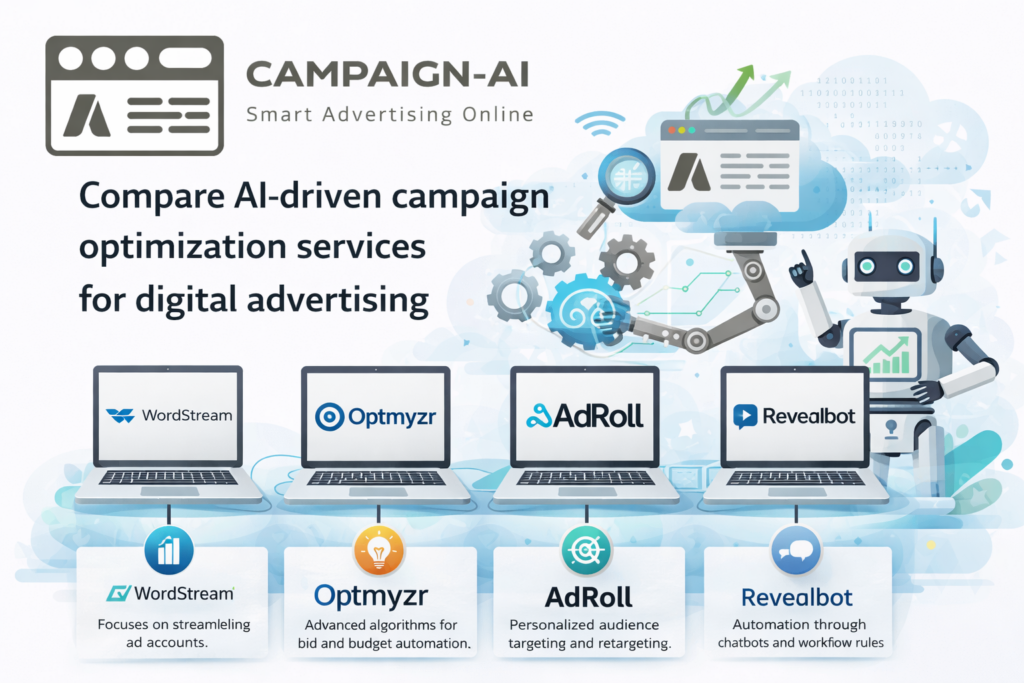
Campaign AI is a leading solution in this space, offering features such as automatic bid adjustments and advanced IP blocking to protect against click fraud. By utilizing AI-driven insights, businesses can refine their advertising strategies without the need for a dedicated team of experts. Other tools like AdEspresso and WordStream also provide user-friendly experiences aimed at maximizing return on investment through intelligent automation.
Many businesses have successfully leveraged AI technology to transform their Google Ads campaigns. These case studies demonstrate how AI can lead to significant improvements in performance and cost-efficiency. For example, a mid-sized e-commerce company used Campaign AI to automate their bidding strategy, resulting in a 30% increase in conversion rates while reducing their cost per lead by 25%. Such outcomes highlight the power of AI in optimizing digital advertising.
Another compelling case involves a regional marketing agency that utilized AI tools to manage multiple client accounts. By automating routine tasks and implementing smart bidding strategies, they achieved a 20% reduction in client ad spend, while maintaining the same level of lead generation. These successes underscore the potential of AI to not only save time but also drive better results in a competitive market.
For many business owners and marketers, the appeal of automation in Google Ads lies in its ability to handle complex tasks without requiring deep technical skills. AI-driven platforms such as Campaign AI empower users to automate campaign management, from bid adjustments to search term optimization, allowing them to focus on strategic growth rather than routine tasks.
The key to successful automation is choosing a platform that offers a user-friendly interface and comprehensive support. With AI tools, you can set up and manage campaigns with minimal input, yet achieve superior results. This approach not only reduces the learning curve but also ensures that you stay competitive in the digital advertising space. By leveraging automation, businesses can achieve better efficiency, enhance their return on investment, and avoid costly errors associated with manual campaign management.
Choosing the right AI tool for your business is crucial in optimizing your Google Ads spend and improving lead generation. Start by evaluating the specific needs of your company and identifying your primary objectives, such as lowering cost per lead or enhancing click-through rates. It’s important to select a solution that aligns with your business goals and offers a user-friendly interface for those without technical expertise.
Consider the features offered by the AI tool, such as automated bidding, real-time keyword harvesting, and robust click-fraud prevention. These features are essential in ensuring that your campaigns are efficient and protected from unwanted clicks. Additionally, integration with various platforms, including WordPress and Magento, can provide a seamless experience. Researching customer reviews and case studies can also provide insights into the tool’s effectiveness and reliability.
A well-chosen AI tool can transform your advertising efforts, helping you save time and resources while achieving better results. Look for solutions that offer comprehensive support and training, ensuring you can maximize the tool’s potential without needing technical skills. In doing so, you position your business for sustained growth and improved performance in the competitive digital advertising landscape.
Implementing AI in campaign management can revolutionize how businesses handle their Google Ads. One of the primary benefits is the ability to automate bid adjustments, ensuring that your campaigns are optimized around the clock without manual intervention. This automation not only saves time but also enhances efficiency, leading to a more strategic allocation of your advertising budget.
Another notable benefit of AI in campaign management is the enhancement of data-driven decisions. By leveraging AI analytics, businesses can gain deeper insights into campaign performance and customer behavior. This empowers marketers to make informed decisions that drive growth and increase return on investment (ROI). Ultimately, AI tools provide the leverage needed to scale campaigns effectively and achieve business objectives more efficiently.
Managing Google Ads campaigns comes with its set of challenges, especially for those lacking technical skills. One common issue is the need for continuous bid adjustments to stay competitive. Without AI, this task requires constant monitoring and manual changes, which can be both time-consuming and prone to errors. AI tools automate this process, ensuring optimal bids at all times without the need for human intervention.
Another challenge is the threat of click fraud, which can inflate costs and reduce campaign effectiveness. AI solutions offer advanced IP blocking and fraud detection mechanisms to safeguard your advertising budget. This proactive approach not only protects your investment but also improves the overall quality of your campaign traffic.
Finally, AI addresses the challenge of optimizing search terms by analyzing performance data and suggesting improvements. This ensures that your ads are shown to the most relevant audience, maximizing the potential for conversions. By leveraging AI, businesses can overcome these common hurdles and achieve a more effective and profitable advertising strategy.
The future of AI in digital advertising is poised to revolutionize how businesses interact with potential customers online. With the rapid advancements in machine learning and AI technologies, businesses can now leverage these tools to optimize their advertising campaigns with greater precision and effectiveness. AI algorithms can analyze vast amounts of data in real-time, enabling marketers to make data-driven decisions that enhance their advertising strategies. This means that ads can be targeted more accurately, ensuring that the right audience is reached at the right time, ultimately reducing the cost per lead and increasing return on investment.
One of the significant benefits of AI in digital advertising is its ability to automate complex tasks that traditionally required significant manual effort. AI-driven platforms can continuously adjust bids, refine search terms, and block fraudulent clicks, all without the need for technical skills from the user. As a result, small business owners and in-house marketing managers can focus more on strategy and creativity rather than getting bogged down by technical details. This shift not only reduces operational costs but also improves campaign performance over time.
As AI continues to evolve, we can expect even more personalized and dynamic advertising experiences. Future AI tools will likely incorporate advanced predictive analytics, allowing advertisers to anticipate consumer behaviors and preferences with greater accuracy. This will enable businesses to deliver highly relevant content that resonates with their audience, driving higher engagement and conversion rates. Ultimately, the integration of AI into digital advertising will create a more efficient and effective ecosystem, benefiting both marketers and consumers alike.
How does AI improve the performance of Google Ads? Artificial intelligence is no longer a ...
7 AI Campaign Optimization Strategies Boosting ROI in 2026 Digital advertising in 2026 demands precision ...
Struggling with High Ad Costs? Campaign AI Helps You Save & Scale Running Google Ads ...
What Are the Most Popular Tools for Securing Ad Campaigns from Fraud? Ad fraud has ...
Introduction to AI Campaign Optimization In today’s fast-paced digital landscape, AI-powered campaign optimization has become ...
What Are the Most Effective Tools for Managing Google Ads Campaigns? Running successful Google Ads ...
Introduction to AI-driven Campaign Optimization The landscape of digital advertising is rapidly evolving, and AI-driven ...
Elevate Your Campaigns with AI Driven Search Term Management In the competitive world of digital ...
Understanding Cost Per Lead in Google Ads Understanding the Cost Per Lead (CPL) in Google ...
Introduction to AI in Digital Advertising In the rapidly evolving landscape of digital advertising, Artificial ...
Understanding AI in Google Ads Artificial Intelligence (AI) is revolutionizing the way businesses manage their ...
Increase Sales Without Hiring More People – Smarter Advertising with Campaign AI Growing your business ...