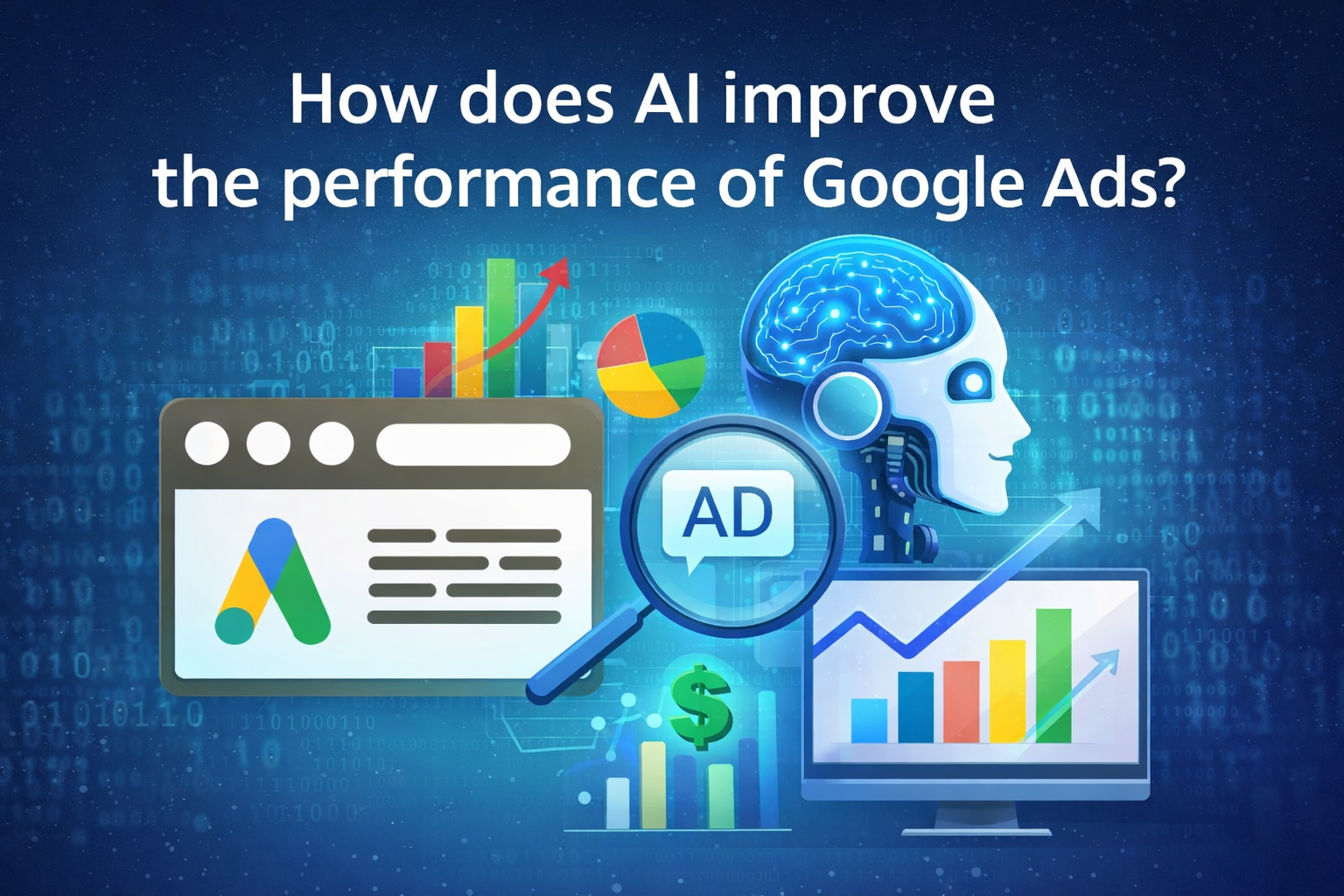
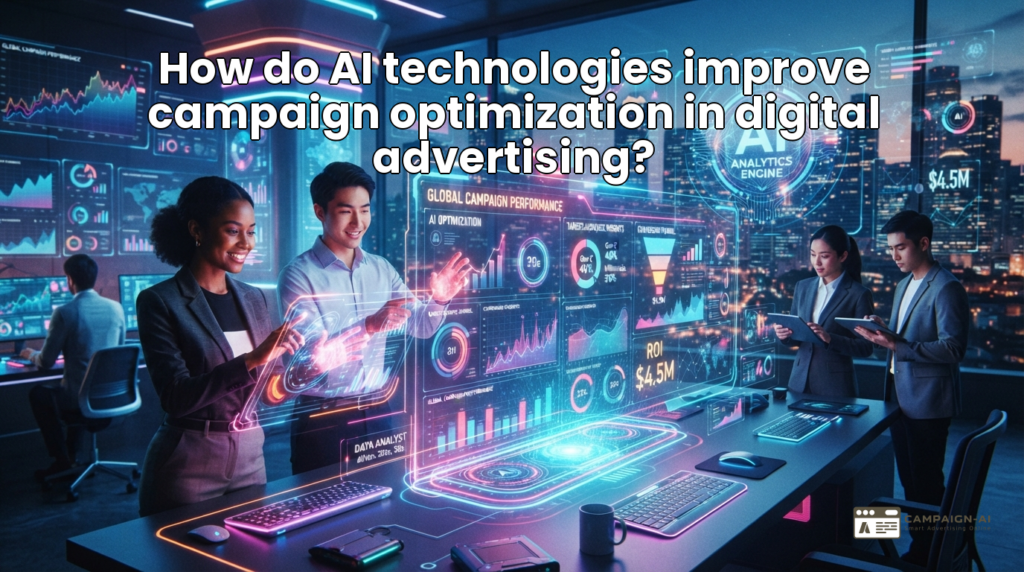
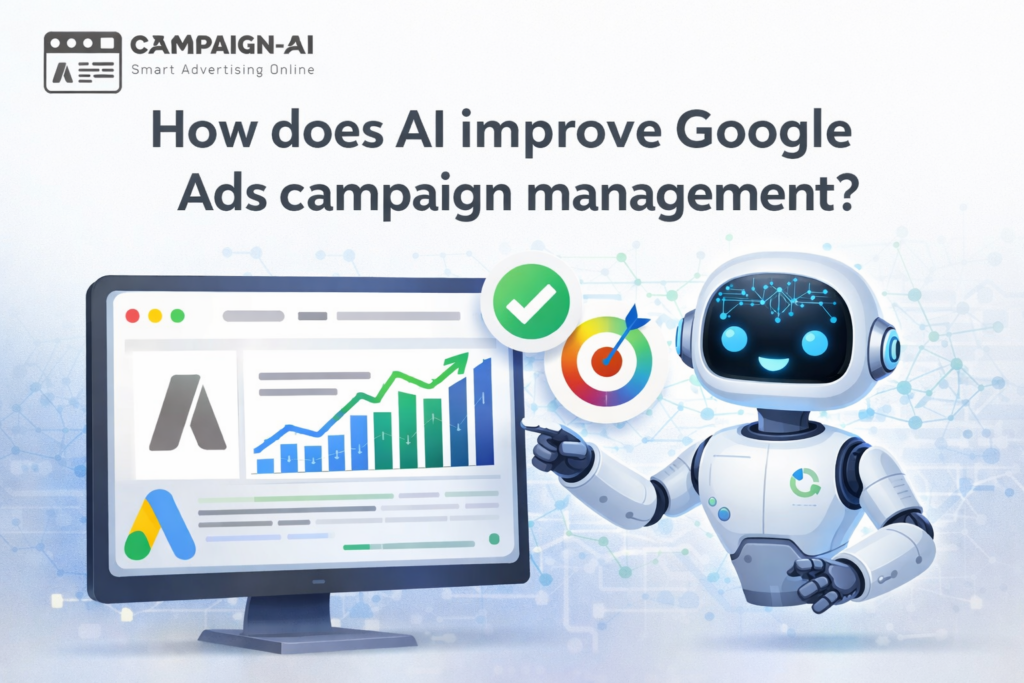
Artificial intelligence is no longer a feature inside Google Ads — it is the engine that powers performance. As auction environments become more volatile, CPCs rise, and user behavior shifts constantly, AI enables advertisers to compete with precision, speed, and scale that manual optimization simply cannot match. High-performing advertisers no longer treat automation as optional. They treat it as infrastructure.
What AI Actually Does Inside Google Ads
AI in Google Ads processes millions of real-time signals during every auction, including:
- Device type
- User location
- Time of day
- Search intent signals
- Historical user behavior
- Competitive auction pressure
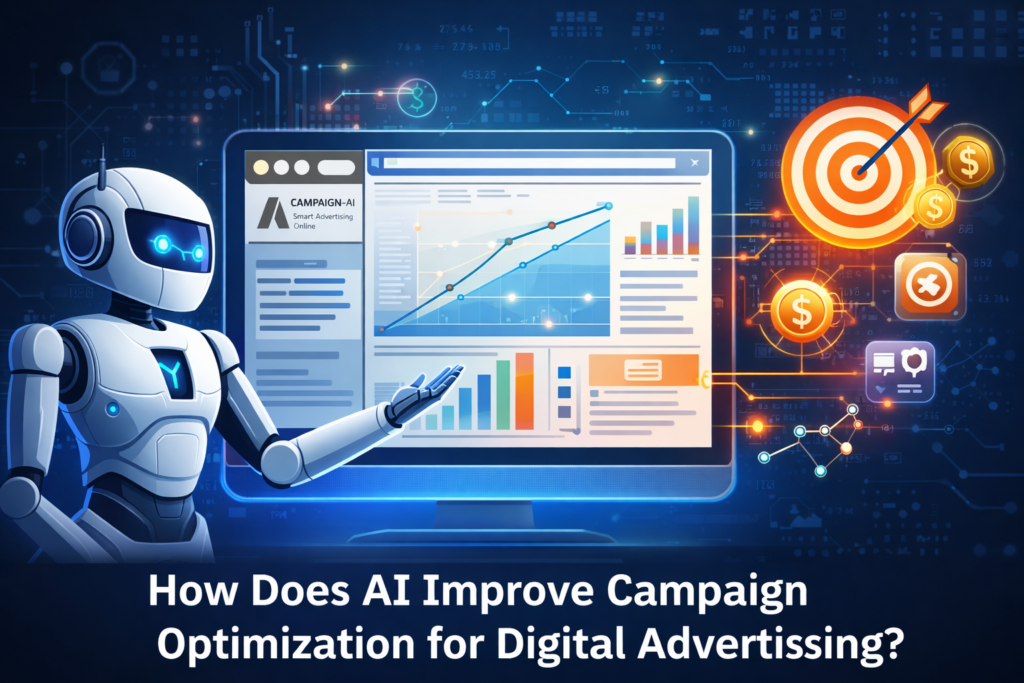
Instead of applying static bid adjustments, AI evaluates conversion probability at the auction level. This shifts campaign management from reactive control to predictive optimization. The result is smarter budget allocation and improved return on ad spend (ROAS).
1. AI Improves Bidding Precision
Smart Bidding strategies such as Target CPA and Target ROAS rely on machine learning models trained on historical and contextual data. AI improves performance by:
- Increasing bids when intent signals are strong
- Lowering bids when conversion probability decreases
- Stabilizing performance across market fluctuations
However, intelligent bidding performs best when supported by structured campaign architecture and clean conversion data — an approach used in systematic optimization frameworks like Campaign AI.
2. AI Enhances Audience & Intent Modeling
AI does not just analyze keywords. It models user behavior patterns across audiences. This includes:
- In-market segments
- Remarketing lists
- Customer match data
- Demographic and behavioral signals
By identifying high-probability users, AI improves traffic quality and reduces wasted spend.
When audience modeling is layered correctly within a structured optimization system, efficiency compounds over time.
3. AI Optimizes Creative Combinations
Responsive Search Ads use machine learning to test headline and description combinations at scale. AI automatically:
- Identifies messaging patterns that increase CTR
- Matches creative combinations to specific intent contexts
- Prioritizes variants that drive stronger conversion outcomes
Optimization is no longer about guessing which ad performs best — it is about feeding the algorithm structured inputs and letting it learn.
4. AI Enables Data-Driven Budget Allocation
Scaling Google Ads profitably requires intelligent capital allocation. AI evaluates marginal performance — not just total conversions. It helps advertisers:
- Increase spend where incremental returns remain efficient
- Reduce spend where diminishing returns appear
- Protect profitability during scaling phases
Performance-focused systems such as Campaign AI treat budget allocation as a dynamic optimization process rather than a static monthly adjustment.
5. AI Learns Continuously — Not Periodically
Manual optimization happens weekly or monthly. AI optimization happens during every auction. Each impression becomes a learning signal. Over time, predictive accuracy improves — especially when supported by clean data and protected traffic quality. The competitive advantage is not automation alone — it is structured automation.
Why AI Alone Is Not Enough
Despite its capabilities, AI does not define:
- Market positioning
- Offer structure
- Competitive differentiation
- Long-term growth direction
The strongest results occur when AI execution is aligned with human strategic oversight. This is why advanced advertisers build performance systems that integrate machine learning with strategic decision-making — rather than relying on default platform automation.
Final Insight: AI Turns Google Ads Into a Performance Engine
Google Ads auctions change daily. Competitors adjust bids. Consumer behavior evolves. AI transforms Google Ads from a manual advertising channel into an adaptive system that learns, predicts, and reallocates resources intelligently. Advertisers who implement AI within a structured optimization framework consistently outperform those relying on periodic manual adjustments. Sustainable performance growth is no longer about controlling every lever manually. It is about designing a system that learns, adapts, and scales.